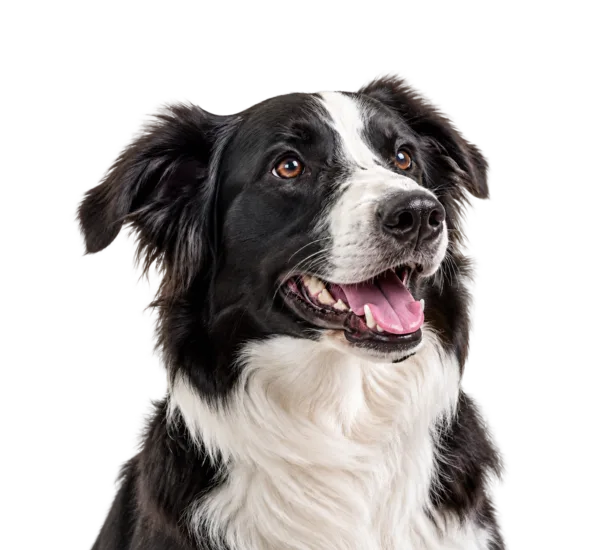

COPD can make breathing difficult for your canine companion. Our Citrus Heights vets review some causes of COPD in dogs, the most common symptoms of the condition and treatment options.
What is COPD?
In people, COPD is a progressive lung disease marked by a restriction of airflow both into and out of the lungs.
In dogs, COPD is a progressive, irreversible inflammatory condition that can impact your pup’s respiratory system. This makes it difficult for your pup to breathe. In our four-legged friends, COPD can also be diagnosed as chronic bronchitis.
What causes COPD in dogs?
Though COPD is most often diagnosed in older dogs, more research is needed to identify the specific cause of COPD in dogs. However, exposure to inhaled irritants such as air pollution or tobacco smoke may cause inflammation of the respiratory system. Recurrent respiratory infections may also be a culprit.
Because bacteria can travel from the mouth to other organs such as the lungs, dogs with dental disease are at higher risk of developing lung inflammation. Once the bacteria enters your pet’s lungs, a secondary infection can occur and lead to respiratory inflammation.
Dogs who are obese may suffer more severe symptoms of COPD.
What are the signs of COPD in dogs?
Chronic and persistent dry cough that lasts for more than a month is an early symptom of COPD in dogs. In some cases, dogs with COPD may start to gag after coughing.
When the disease has progressed to later stages, symptoms often include:
Fainting with exertion
Bluish tinge to gums
Exercise intolerance (tiring easily)
Wheezing
Loud or noisy breathing
How will my vet diagnose my dog with COPD?
Your vet will begin with a thorough physical exam to look for clinical signs of COPD in your dog, and a range of diagnostic tests can also be used. Signs that point to COPD include crackling sounds in your dog’s chest as he or she inhales or exhales, sinus arrhythmia, a normal or low heart rate and chronic cough.
What are treatment options for COPD in dogs?
Hospitalization may be required if your dog is experiencing severe breathing problems. While at the veterinary clinic, a combination of intravenous medications and oxygen therapy may be used to help stabilize your pup’s condition.
Medications
If your dog’s case is less severe, he may be treated on an outpatient basis with a combination of treatments and medications such as mucolytics, cough suppressants, corticosteroids, bronchodilators and antibiotics.
Other Treatments
How long can a dog live with COPD?
Though COPD in dogs is progressive and irreversible, proper treatment and regularly scheduled veterinary exams can help you and your vet successfully manage symptoms, and allow your pet to enjoy normal life expectancy - and better quality of life.
Note: The advice provided in this post is intended for informational purposes and does not constitute medical advice regarding pets. For an accurate diagnosis of your pet's condition, please make an appointment with your vet.
Is your dog having problems breathing or have you noticed symptoms of COPD? Contact our Citrus Heights vets right away to book an appointment.